All is well
2025
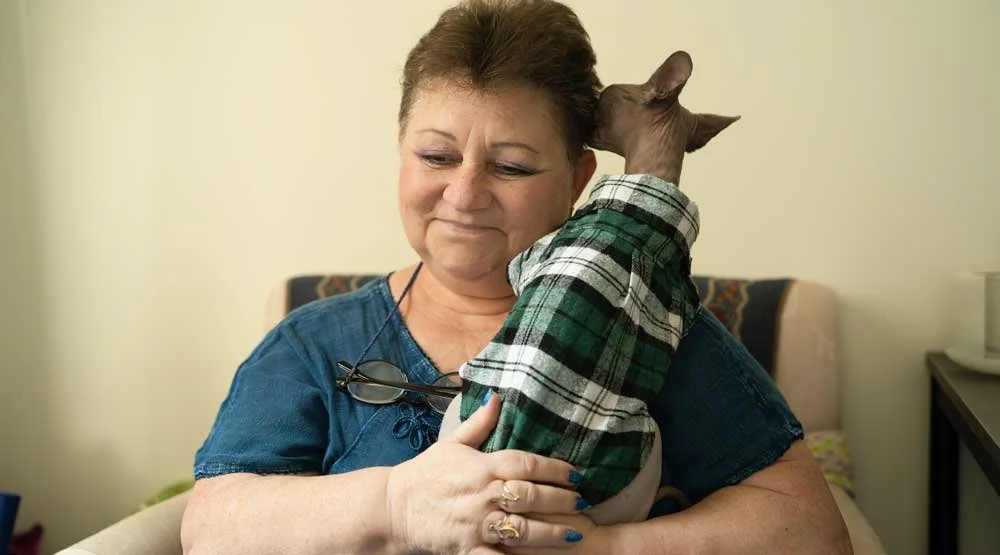
A warm, observational documentary about daily life in a shelter for Ukrainian refugees in the Dutch town of Weesp. The communal kitchen is the place where Svetlana, Natasha and Zoia share memories. Food is prepared in abundance, pots filled with both pain and comfort. For Zoia it is an escape from her room, where the photo of her fallen son evokes unspeakable grief. She cuts, chops, kneads, stirs and serves food. Every day she has a video call with her husband at the front, and every day she begs him to leave the battlefield.
Journey through our world
2022
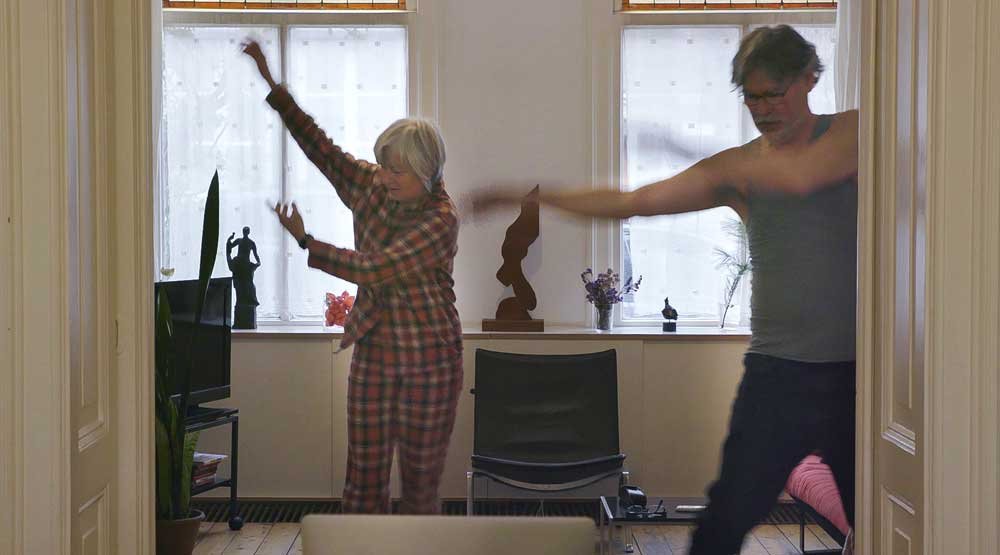
When we had to stay at home during the corona pandemic, life in our garden became an endless source of wonder. Those who enjoy a bit of fright will find it here: a wasp steals a bee, a spider kills another spider, a cat catches a pigeon. Murder and death, but also beauty. Our garden became a source of comfort when we had to say goodbye to our beloved friend Ingrid.
You are my friend
2018
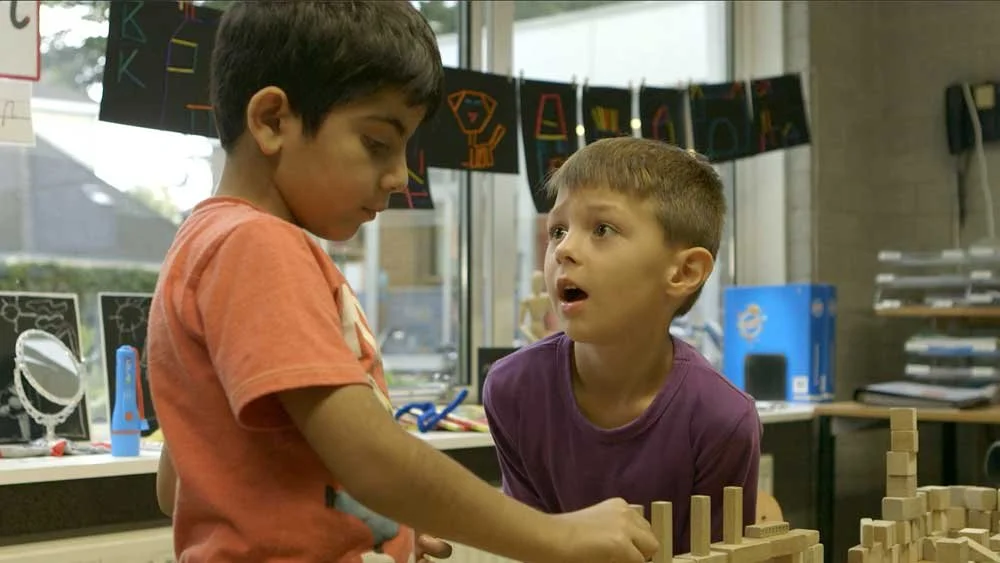
Making friends is something you have to learn, and it happens through trial and error. Six-year-old Branche has just moved from Macedonia to the Netherlands with his parents and is going to school for the first time. He doesn’t speak Dutch. In teacher Kiet’s class, Branche has to find his place among classmates with whom he shares neither a language nor a background. Finding a friend turns out to be anything but easy. And when he finally does, that friend can suddenly move away and disappear from his life overnight. The documentary follows Branche from the panic of his first day at school to a confident boy in the class of teacher Wout.
Miss Kiet’s children
2016
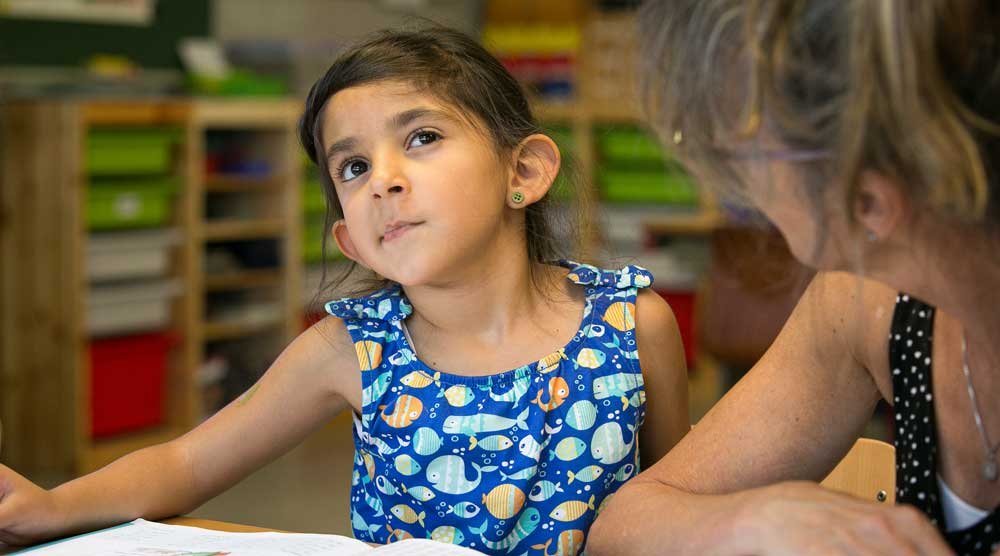
At a primary school in the Brabant village of Hapert, refugee children are welcomed into a special transition class. Teacher Kiet, strict yet compassionate, teaches them Dutch and arithmetic while gently guiding their social interactions. Miss Kiet’s Children is an observational documentary in which war trauma and childhood crushes carry equal weight. The camera sits with the children at their table, allowing the viewer to share in the joys and struggles of its young protagonists. Moving, humorous and hopeful.
The need to dance
2014
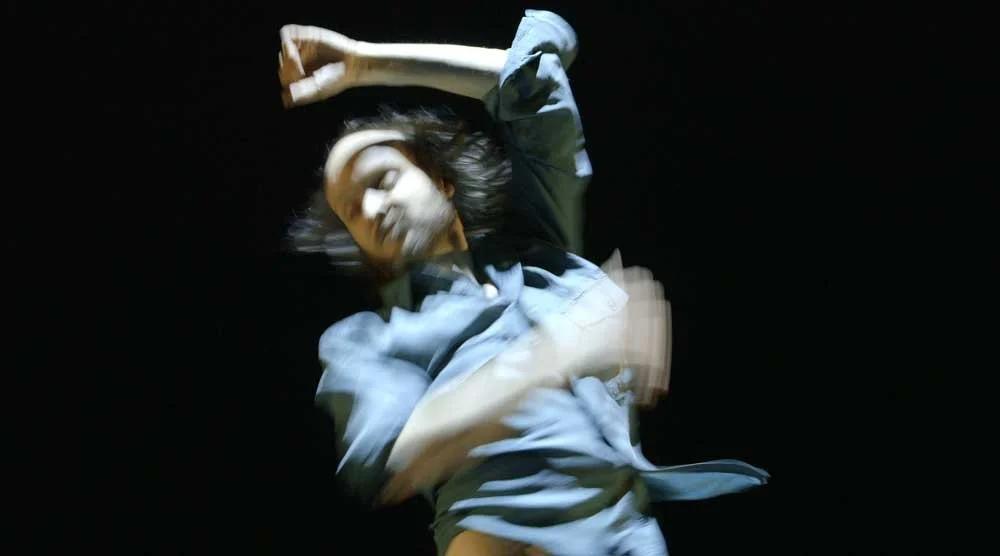
A portrait of Belgian-Moroccan choreographer Sidi Larbi Cherkaoui, one of the most successful dance artists of our time. The documentary follows him as he travels across Europe and shows him creating and performing in a wide range of dance styles. In an inner monologue, Cherkaoui reflects on the background of his unstoppable drive to work. Growing up between two cultures remains a rich source of inspiration for the dance pieces he creates.
awake in a bad dream
2013
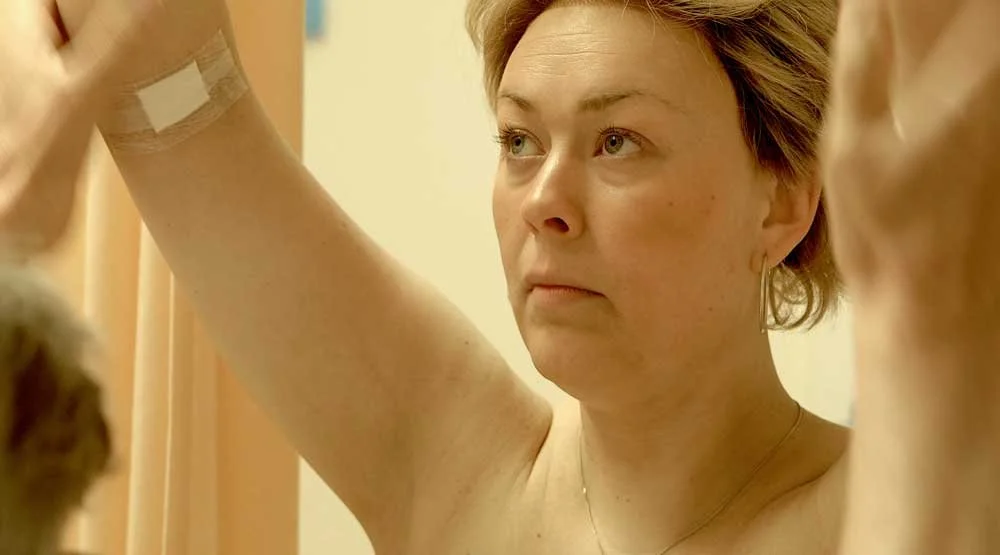
One in eight Dutch women gets breast cancer. The place where a woman may be at her most vulnerable, her most beautiful, proud and sexy, becomes a source of doubt and anger. Ingrid, Vicky and Sabrina each show the disease in different ways. The heavy and painful treatments they undergo are a temporary stage towards the hoped-for recovery that can turn back into illness at any moment. Awake in a Bad Dream shows in a very personal and intimate way how the women and their partners try to regain control of life after the diagnosis.
We
2012
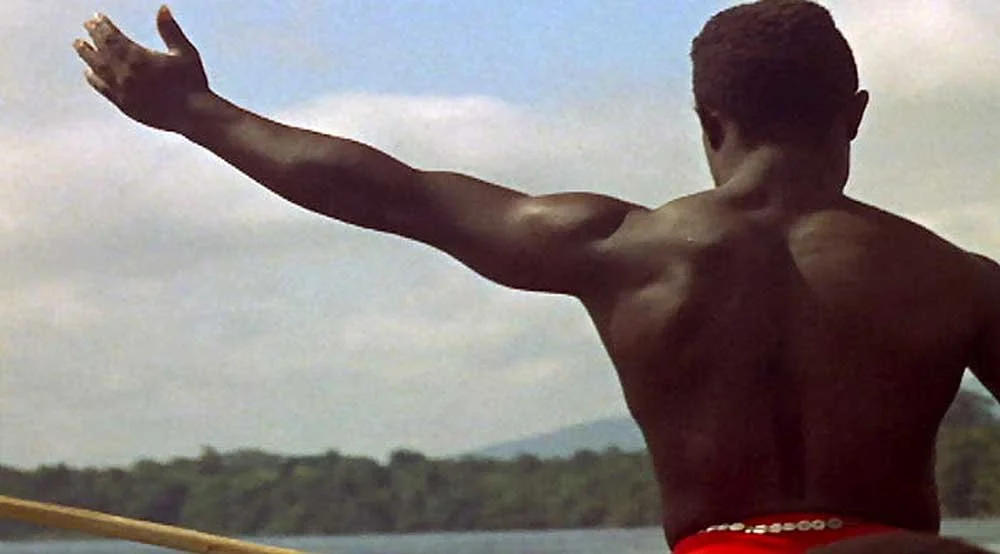
In 2012 we were the featured documentary filmmakers at the Netherlands Institute for Sound and Vision. We were invited to make a film for them, consisting mainly of archival material. Without a predetermined plan, we chose footage that especially intrigued and moved us. Together with our editor and friend Mario Steenbergen, we tossed, smelled and tasted all the fragments. We allowed coincidence to take part in the editing, and the peculiarities of the material helped us shape the content of the film. The result is a found footage documentary that looks back on 100 years of history from a Latasterian perspective, with events that are sometimes lyrical, sometimes strange and often deeply moving.
Jerome Jerome
2011
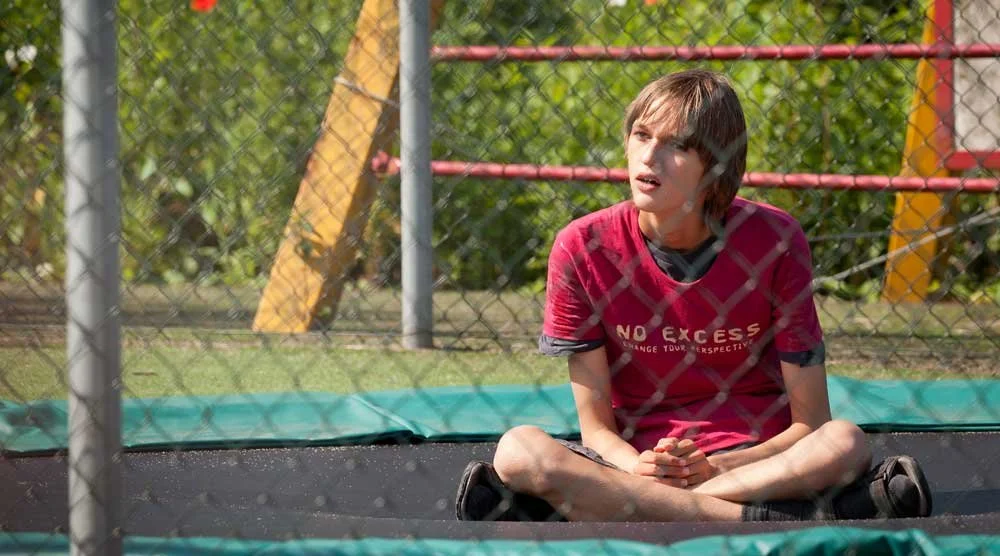
“No, Jerome, put that down.” “Leave that table where it is.” “Pick that up.” “Be careful.” While waiting for the bus that takes autistic Jerome to the care center, his mother repeats it almost like a mantra: don’t, Jerome. The viewer experiences firsthand how long a few minutes can feel. Jerome, Jerome is a moving portrait of a mentally disabled boy who constantly needs care and guidance. The documentary follows two days in the life of the autistic teenager, his mother Anita, and his regular caregiver Kevin. Filmed up close and without any commentary, the film shows how Jerome tests the patience of those around him.
Not without you
2010
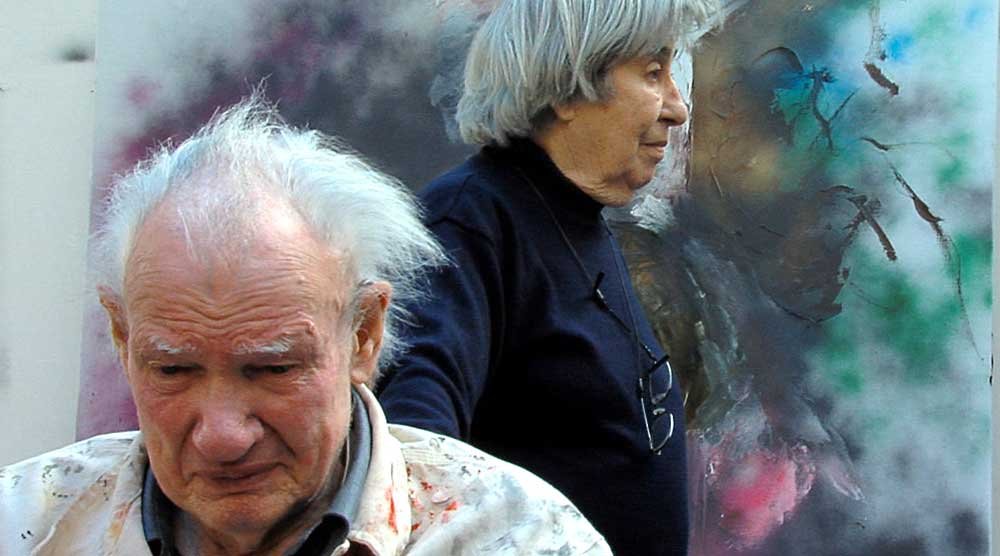
An intimate portrait of an elderly couple, painter Ger Lataster and photographer Hermine van Hall, filmed by their son and daughter-in-law. The documentary shows, from very close up, the final year that Ger and Hermine spend together after a marriage of 65 years. Everything that once seemed self-evident in their life begins to fall apart. Because of Ger’s deafness and Hermine’s dementia, misunderstandings pile up and their confusion grows. Yet in gardening, and especially in art, they still find a source of joy and comfort. Ger tries to keep painting while his muse Hermine becomes increasingly ill and disoriented. The moment of farewell draws inevitably closer. After Hermine’s death, returning to painting becomes a matter of survival for Ger. Not Without You is an ode to love and to the power of art.
The things you don’t understand
2010
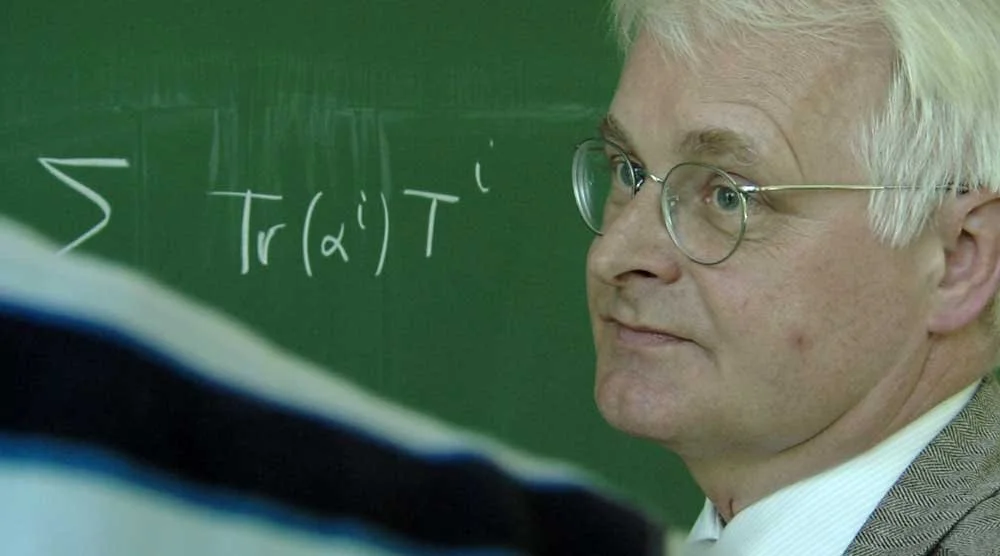
The scientist Hendrik Lenstra has no car, no computer and no television. Instead, he owns dozens of editions of Homer’s Odyssey. Lenstra is a mathematician who operates at the highest level of thought and has no interest in what is fleeting or fashionable in everyday life. His passion for his field may sound abstract to outsiders, but its applications are very real: cash machines and aircraft control systems function thanks to the incomparable thinking of this great mathematician.
If we knew
2007

In a neonatal intensive care unit at the University Medical Center in Groningen, a team of pediatricians is followed in their daily efforts to heal critically ill newborns. Thanks to modern medical technology they can do more and more, but at the same time they encounter the limits of their profession. Should they do everything they are able to do? The doctors express their thoughts, ideas, worries and doubts about the narrow margins within which they must make their decisions. These are not arrogant physicians, but caring and sensitive people who are deeply aware of the responsibility that society has placed on their shoulders.
I like to touch everything
2006
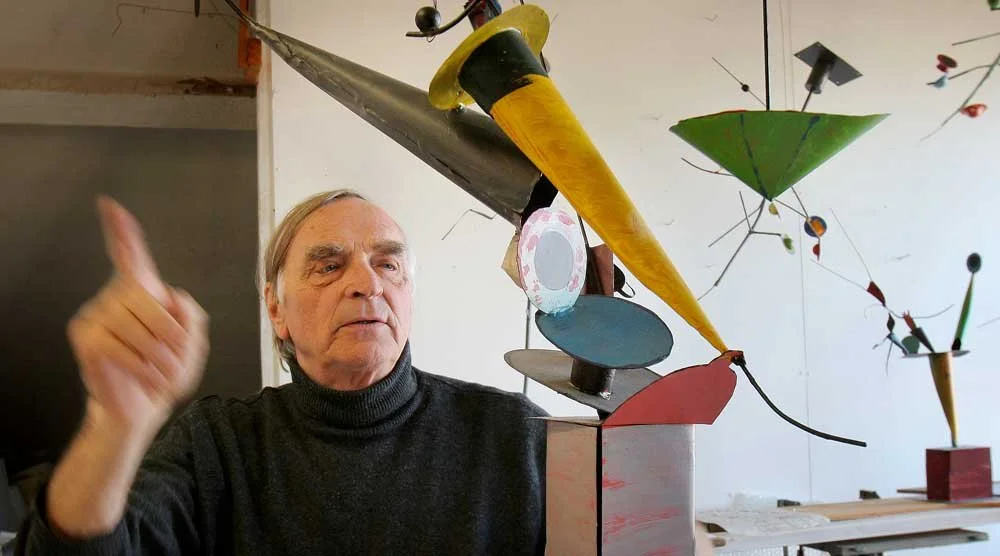
Visual artist Auke de Vries rarely allows visitors into the small studio where he works every day. In this intimate space he surrounds himself with dozens of models made from pieces of wire, cardboard and foil. These fragile and curious creations inhabit Auke’s world and feed his inspiration. In his studio he talks about his childhood, his development as an artist and his plans for new sculptures. Auke keeps in touch with his sculptures. He takes us to his large works in Berlin, Rotterdam and Hanover. But he always returns to his attic, to his companions, the inhabitants of his imaginative world.
This will never go away
2005
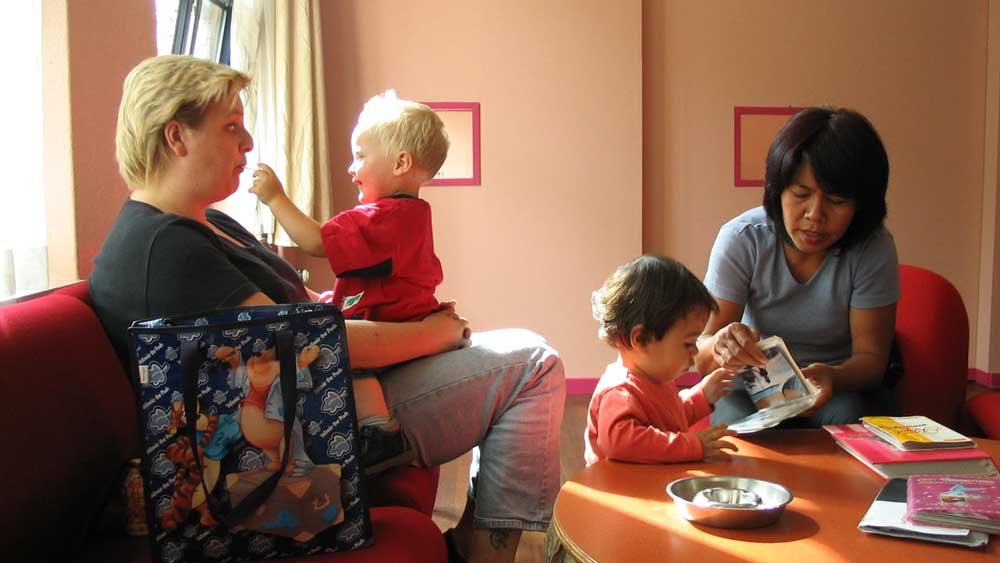
Mirella, Sylvia, and Johanna live together in an Amsterdam women's shelter. They fled their abusive partners. To get their lives back on track and understand what happened, they talk, cry, swear, laugh, and make countless phone calls.
Birth-Day
2004
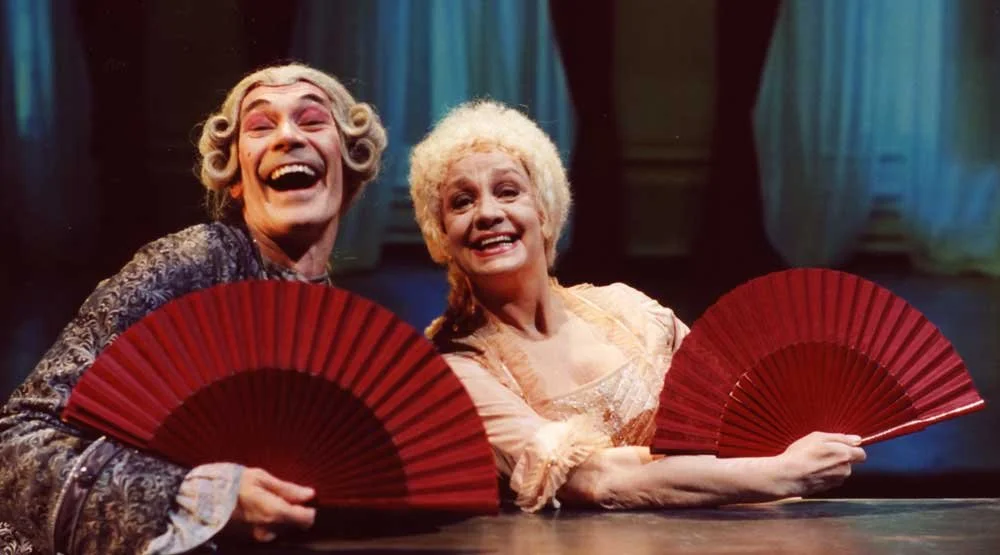
The great choreographer Jiří Kylián asked us to film his ballet created for the dancers of NDT 3. The performance depicts how, between our Birth-Day and our Death-Day, we spend much of our time and energy on creation, love, desire and confusion, often making fools of ourselves in the process. For this production, Jiří Kylián uses music by Mozart. This composer is the perfect example of someone whose lifetime was painfully short. Yet both Mozart and Kylián describe life in all its richness, imagination, comedy and madness.
Dreamland GDR
2003
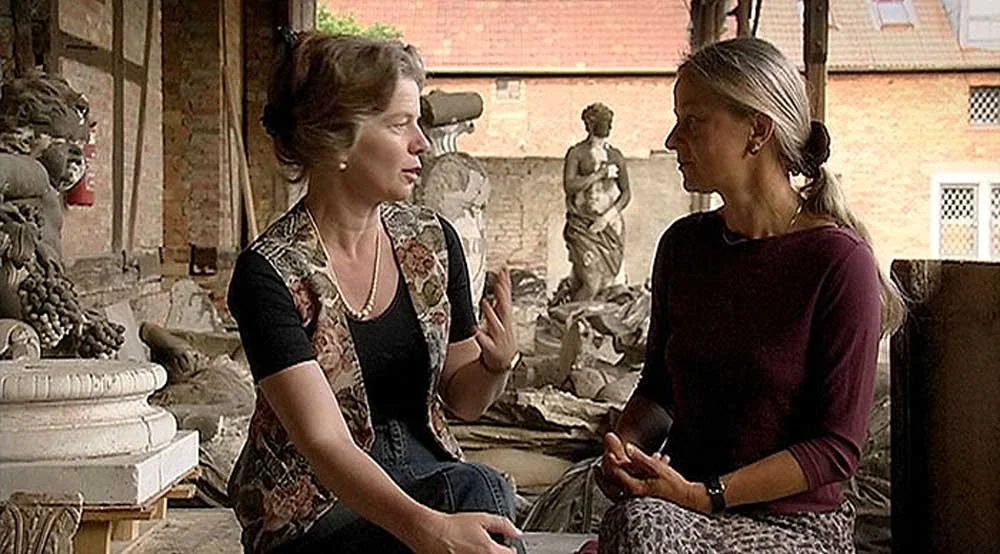
Filmmaker Petra Lataster-Czisch grew up in the former GDR and has lived in the Netherlands for many years. She lost contact with her old classmates and friends until she received an invitation to a reunion of her graduating class of 1973. For Petra Lataster, this becomes a reason to wonder why she and many of her classmates look back on their youth without resentment, while at the same time realizing that they grew up in a country of oppression.
Fragile happiness
2001
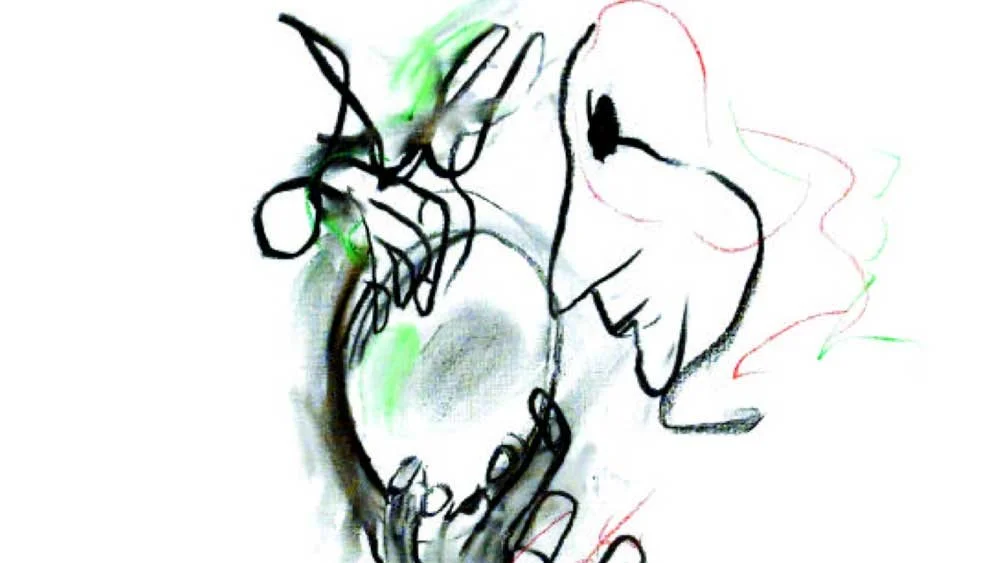
Does money – or the lack of it – affect your sense of happiness? The film portrays ordinary residents of The Hague and expresses their ideas about money, from manager to immigrant, from brothel owner to garbage collector. The thoughts of the philosopher Baruch Spinoza, who lived in The Hague 400 years ago, provide commentary on the events in the documentary.
River of time
1999
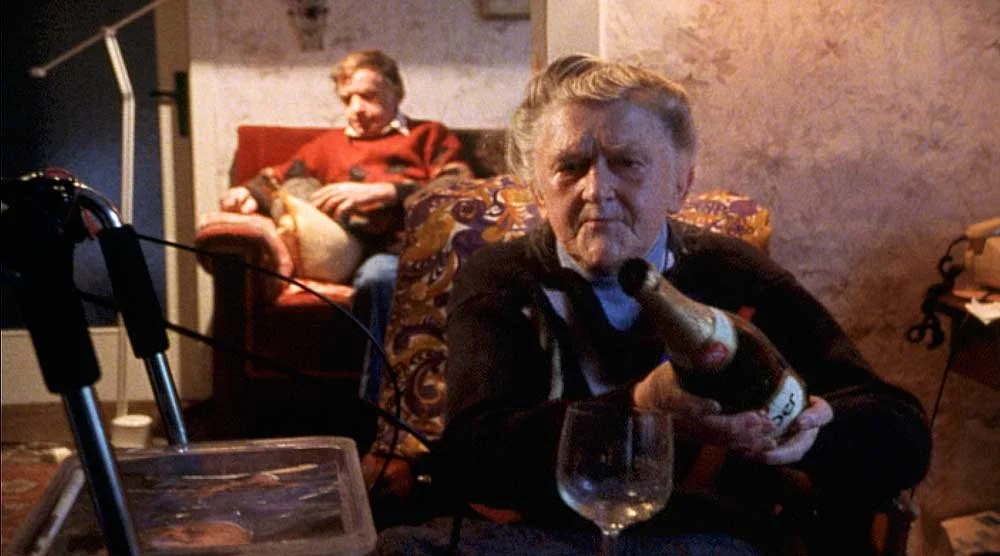
Village chronicle in four seasons about the inhabitants of the East German village of Groß Lüben. The village, located in the former GDR, lies close to the Elbe River, which for more than forty years symbolized the division between East and West. As the four seasons pass, the villagers give a picture of their lives after the end of the Second World War and in the first years following the reunification. While Mr. Heusman lost his land and home through forced collectivization, Mr. and Mrs. Kloss achieved modest prosperity thanks to the collective farm. The dividing line between the winners and losers of the reunification still runs through the village today.
Call it sleep
1996
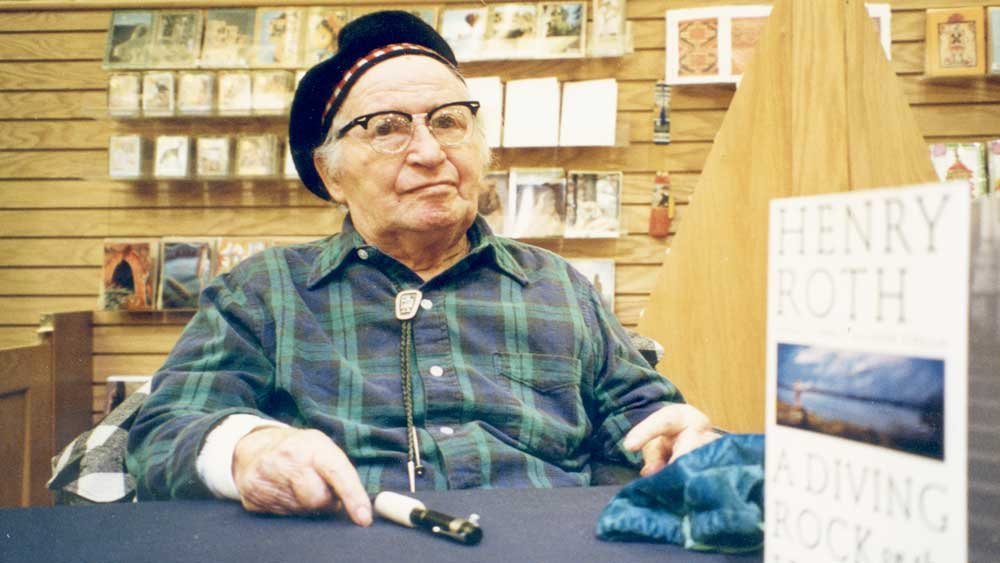
The American author Henry Roth leads a quiet and secluded life in Albuquerque, New Mexico. After the overwhelming success of his debut novel Call It Sleep, a writer’s block followed that lasted fifty years. The filmmakers search for the secret behind this long silence. The novelist’s caregiver, Jim, turns out to play an important role in rekindling Henry’s joy of writing.
Tales of a river
1994
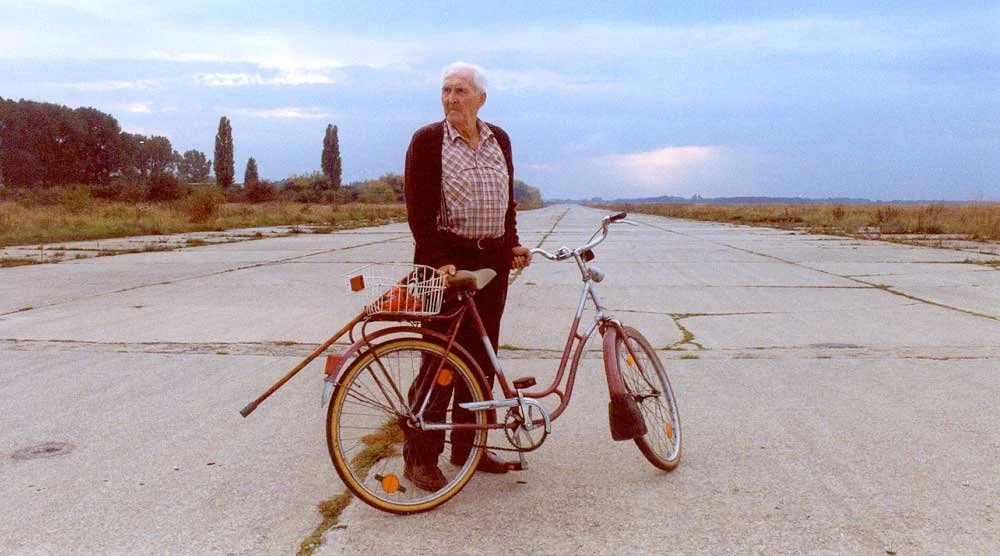
Documentary about several inhabitants of Dessau, a city in the former GDR located on the slowly flowing Elbe River. Stories of a River shows what happens to four residents of Dessau after the reunification of Germany. How do they come to terms with their past? How do they seize the new opportunities created by the political upheaval? The central figure in the documentary is 83-year-old Mr. Weise. German history and the history of Dessau are closely intertwined with his own life. He worked at the Bauhaus, which under the direction of the renowned architect Gropius experienced a period of great flourishing until it was forced to close by the Nazis. Later, during the Second World War, he worked in a factory that produced Zyklon B for the extermination of people. Mr. Weise reflects on the past and repeatedly cycles to the Elbe, a metaphor for the inevitable course of history that carries people along.
The Enchantment
1991
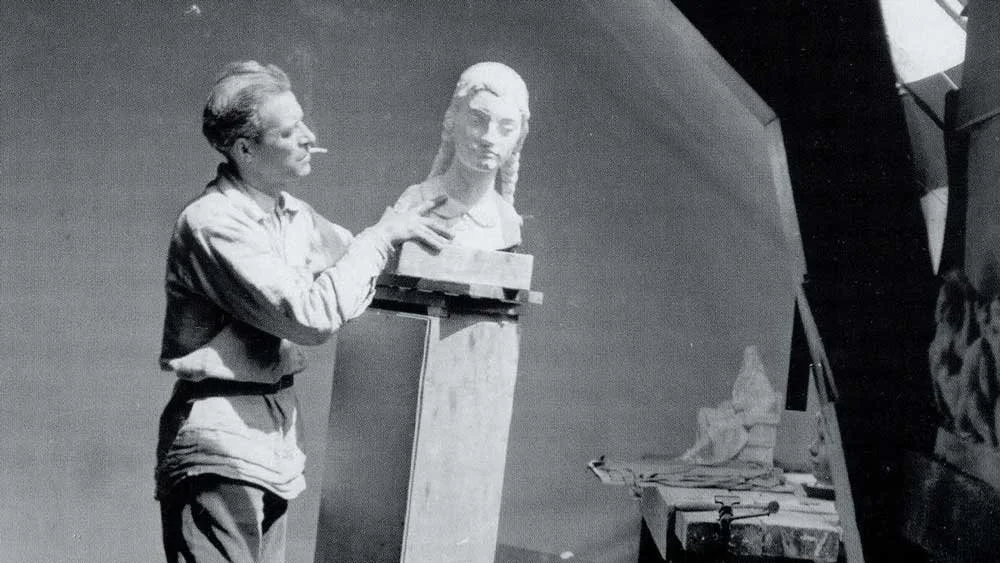
A portrait of the Amsterdam sculptor and resistance fighter Frits van Hall (1899–1945), made by his grandson Peter Lataster and Petra Lataster-Czisch. Frits van Hall became known for his refined and delicate sculptures, his design for the Van Heutsz Monument in Amsterdam (1935), and his role in the artists’ resistance during the Second World War. After his arrest by the German occupiers, Frits van Hall was deported to the concentration camp Dachau and later to Auschwitz. During the “death march” in the winter of 1945, he was shot dead by a guard.